Atmospheric Water Generation: What Homeowners Need to Know Before They Start
A condensation-based approach to home water production has gained traction among self-sufficiency researchers. We looked at how the technology works, what it realistically requires, and where most beginners go wrong.
#AD · Affiliate link — commission earned at no extra cost to you
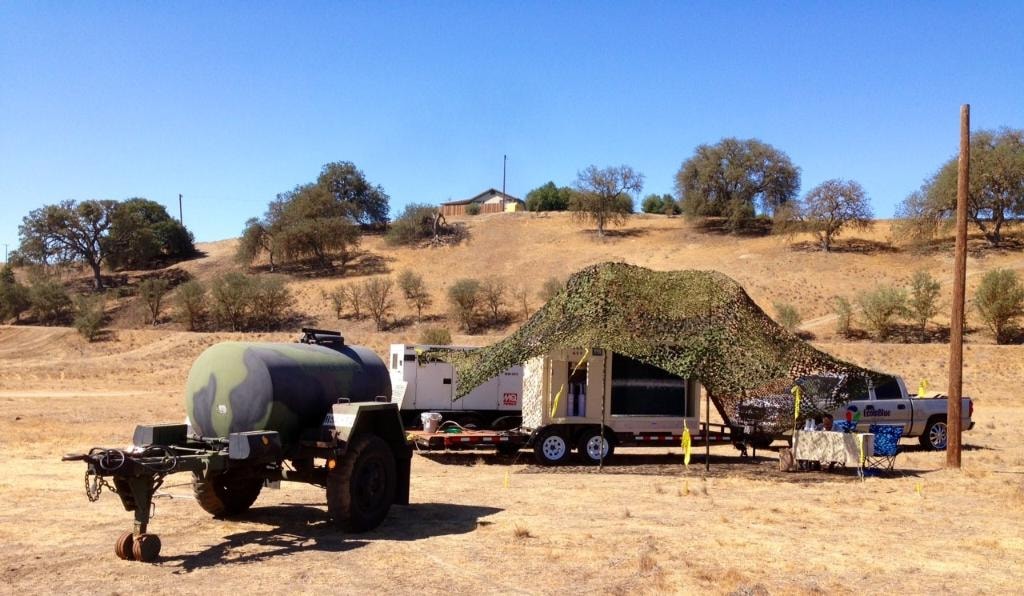
Atmospheric water generation — the process of drawing moisture from ambient air and converting it into drinkable water — has been used in military and humanitarian field operations for decades. In recent years, a growing number of independent researchers and homesteading communities have begun documenting how smaller, home-scale versions of this technology can be built using widely available components.
The core principle is straightforward: warm, humid air is passed over a cooled surface, causing water vapour to condense. That condensate is then filtered and collected. The challenge, according to most DIY guides, is not the concept itself but the specifics — the right materials, the correct assembly sequence, and understanding how local humidity levels affect output.
Most off-the-shelf guides skip the foundational steps and jump straight to parts lists, which is where most first-time builders run into problems. A well-structured blueprint walks through site assessment, component sourcing, and system calibration before any assembly begins.
For households in areas with moderate to high humidity, a properly assembled unit can produce a meaningful daily water supply without connection to any municipal infrastructure. Researchers note that portability is one of the most practical advantages — the system can be relocated or stored as needed.
The technology itself is well-established. What most DIY guides lack is a clear, step-by-step process that accounts for the variables most beginners overlook.
#AD · Affiliate link — commission earned at no extra cost to you
What a Structured Water Liberty Guide Covers
A comprehensive guide to home-scale atmospheric water generation should address more than just the hardware. Based on our review of available resources, the most useful guides include the following components.
- A clear explanation of how condensation-based water generation works and what conditions affect output.
- A materials list with common hardware store alternatives and guidance on what to avoid.
- Step-by-step illustrated assembly instructions with troubleshooting notes for each stage.
#AD · Affiliate link — commission earned at no extra cost to you
Affiliate & Advertising Disclosure
This page is sponsored educational content and contains affiliate links. Water Liberty Guide may earn a commission if you purchase a product through a link on this page, at no additional cost to you. We only feature products we believe may be of genuine interest to our readers. This content is produced independently and does not represent the views of NewsBreak or any other distribution platform. Results described are not typical and individual outcomes will vary.
The information on this page is provided for general educational and informational purposes only. It does not constitute professional, medical, legal, or financial advice. Always conduct your own research and consult qualified professionals before making any purchasing decision. Individual results will vary.